A Mysterious Case from Sweden
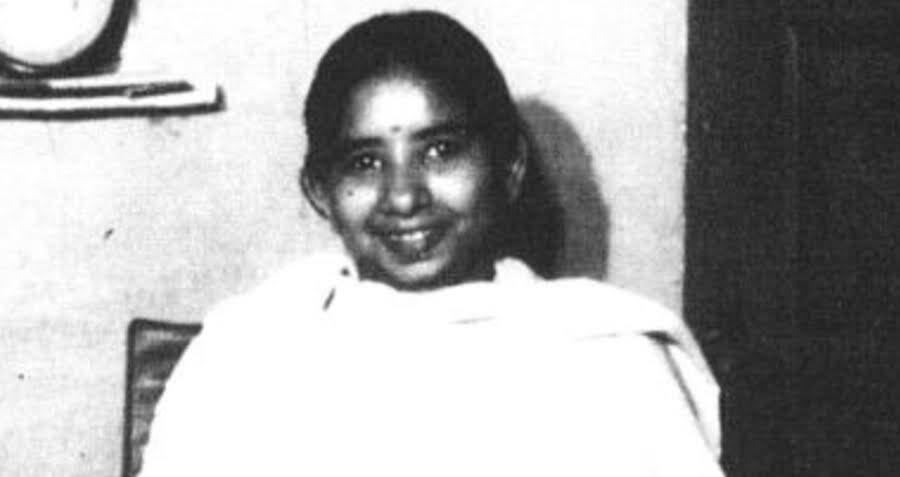
In the late nineteenth century, a young girl from Sweden became the center of one of the strangest medical mysteries ever recorded. Her name was Karolina Olsson, and according to historical reports, she appeared to sleep for more than three decades before suddenly waking up. The bizarre story shocked doctors, fascinated journalists, and continues to puzzle scientists even today.
Karolina Olsson was born in 1861 on the island of Oknö in Sweden. She lived with her family in a small rural community far from the advanced medical facilities of major European cities. In 1876, when she was only fourteen years old, her life changed forever after an unusual accident.
According to reports from the time, Karolina fell and struck her head while returning home from school. Soon afterward, she began complaining about severe tooth pain, fatigue, and strange symptoms that worried her family. Eventually, she went to bed to rest. What happened next became one of the most controversial medical cases in history.

The Long Sleep
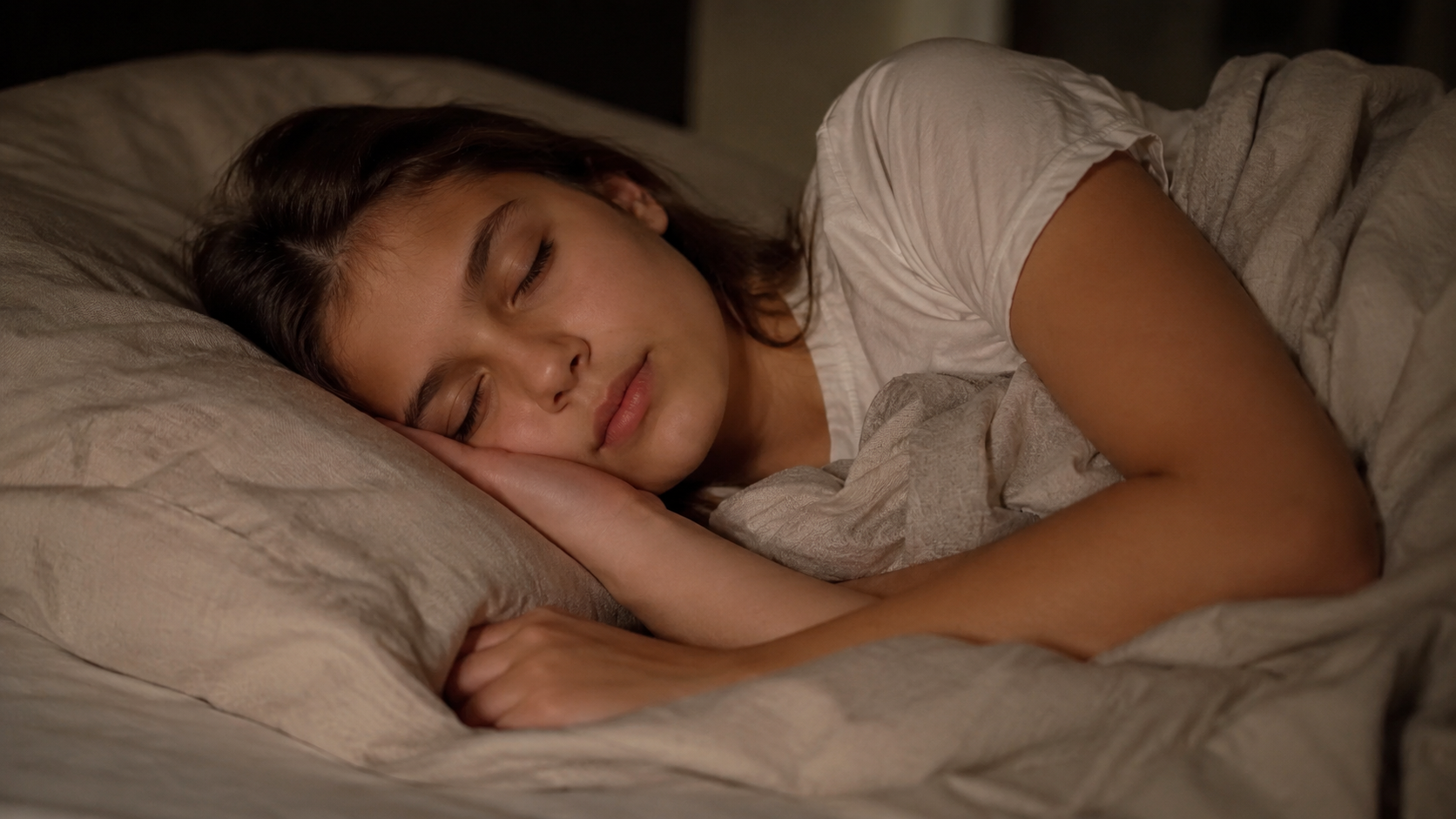
After lying down in bed, Karolina reportedly entered a strange state in which she barely responded to the outside world. Her family claimed she could not be awakened normally and remained in a condition resembling deep sleep for years.
Doctors visited her many times during the following decades. Some believed she was unconscious, while others argued she could hear and react faintly to sounds around her. Witnesses occasionally claimed that she opened her eyes briefly or whispered prayers during the night. Despite this, she spent most of her time lying motionless in bed.
The most astonishing detail was the length of her condition. Karolina remained in this state for approximately thirty-two years. During that time, Europe experienced enormous social and technological changes, yet her life appeared frozen in time.
Her family fed her mainly milk, sugar water, and liquid foods to keep her alive. Reports also suggested that her hair and nails barely grew, although modern scientists believe these observations may have been exaggerated by newspapers and local stories.
Also Read : The Age of Dinosaurs – Earth Before Human
Why the Case Shocked Doctors
The human body normally cannot remain inactive for extremely long periods without serious damage. Modern coma patients often develop severe muscle loss, infections, organ problems, and permanent neurological injuries after extended immobilization.
Karolina’s case did not completely match these expectations. Although she became physically weak and pale, she apparently survived far longer than most doctors thought possible at the time. This led to wild theories ranging from supernatural explanations to unknown biological processes.
Some nineteenth-century physicians even suggested she had entered a form of human hibernation. Others believed she suffered from hysteria, a poorly understood diagnosis commonly used during that era for psychological disorders affecting women.
Because medical science in the nineteenth century lacked technologies such as MRI scans, EEG monitoring, and advanced neurological testing, doctors could only rely on observation. This made it nearly impossible to determine whether Karolina was truly asleep, unconscious, mentally ill, or experiencing something entirely different.
Modern Scientific Explanations
Today, many researchers believe Karolina Olsson probably did not sleep continuously for thirty-two years. Instead, scientists suspect she may have suffered from a severe neuropsychiatric condition.
One of the leading explanations is catatonia, a disorder involving abnormal movement and behavior linked to psychiatric and neurological diseases. In severe catatonic states, patients may remain almost completely motionless, silent, and unresponsive for extended periods while still retaining partial awareness.
Modern medicine recognizes catatonia as a real and serious brain condition associated with trauma, depression, schizophrenia, epilepsy, autoimmune disorders, and other neurological problems. Patients can appear almost frozen, creating the illusion of being asleep or unconscious.
Another possible explanation is psychogenic stupor, a rare condition in which psychological trauma causes extreme withdrawal from reality. Individuals may stop speaking, moving, or responding normally despite remaining biologically alive and partially conscious.
Researchers have also questioned whether some parts of the story were exaggerated over time. Historical newspapers often sensationalized unusual medical cases, especially during the late nineteenth century when public fascination with mysteries and supernatural events was extremely popular.
Also Read : Why the Sky Appears Blue
The Sudden Awakening
In 1908, the story took another shocking turn. Karolina reportedly woke up and slowly returned to normal life. Witnesses claimed she cried, spoke again, and began walking after years confined to bed.
People who met her after her awakening described her as emotionally fragile and extremely sensitive to light. Some reports even claimed she appeared younger than her actual age, though historians suspect this may have been influenced by myth and media exaggeration.
Interestingly, after waking, Karolina struggled to recognize people she had not seen in decades. The world around her had transformed dramatically during the years she remained isolated in her room.
Electric lighting, industrial growth, and modern technology had spread across Europe while her own life remained trapped in a mysterious silence. Her case soon became internationally famous and earned her the nickname “The Sleeping Beauty of Oknö.”
Even more than a century later, scientists still debate exactly what happened inside Karolina Olsson’s brain. Her story remains one of the most extraordinary examples of how little humanity still understands about consciousness, trauma, and the hidden complexity of the human mind.